Oh boy. It’s time for another discussion on Baptist distinctives.
Baptist Distinctive of Religious Freedom/Liberty
Religious Freedom/Liberty is the historic Baptist affirmation that Christians should be free to exercise faith without the coercion or the prohibition of any civil government. We believe that faith is a voluntary commitment. Freedom OF religion, freedom FOR religion, and freedom FROM religion are implemented through the practice of the separation of church and state.
Freedom of religion: The right to practice one’s faith.
Freedom for religion: The right to publicly live and proclaim one’s faith.
Freedom from religion: The right not to be coerced into religious belief.
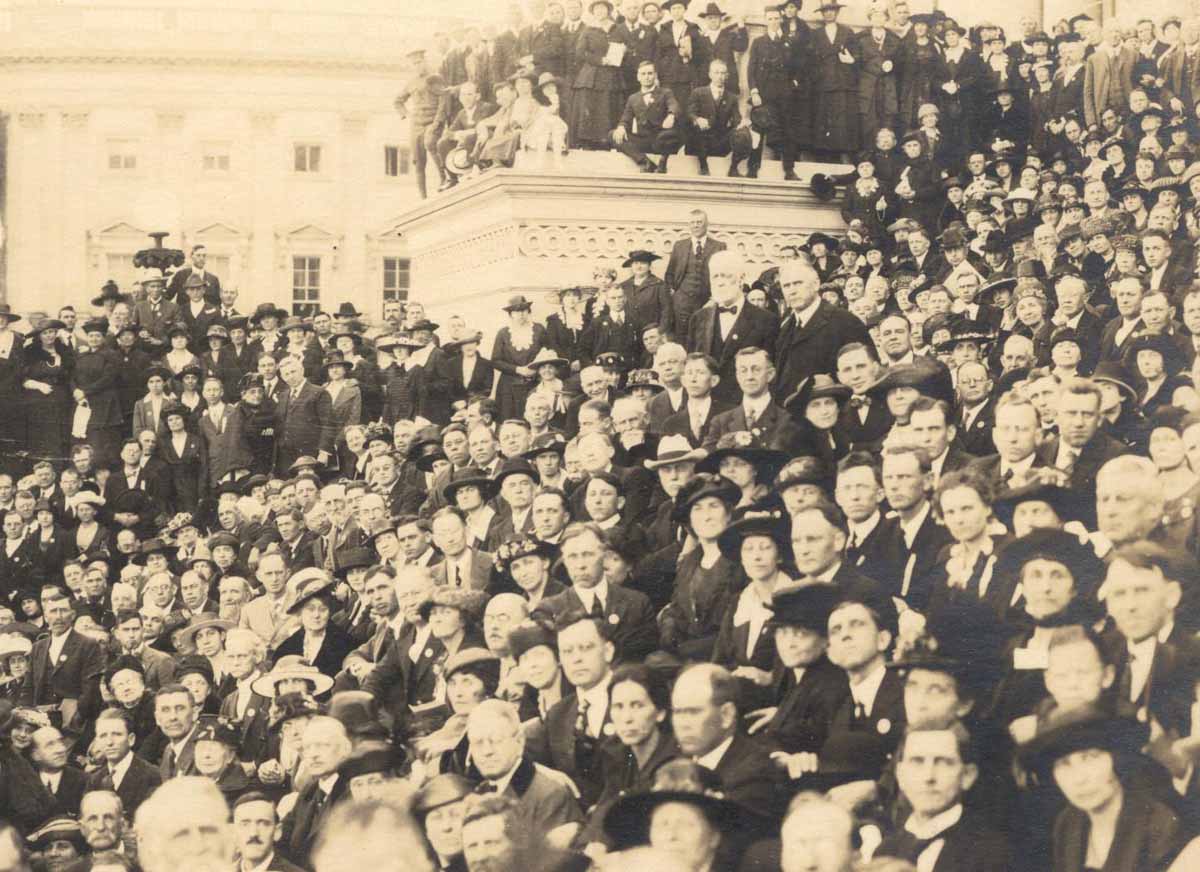
On May 16, 1920, George W. Truett, renowned Dallas pastor, delivered his iconic address, “Baptists and Religious Liberty,” from the East Steps of the U.S. Capitol to an audience of approximately 15,000. He championed absolute religious freedom, voluntary faith, and the strict separation of church and state.
“There must be no union between church and state, because their nature and functions are utterly different. Jesus stated the principle in the two sayings, ‘My kingdom is not of this world,’ and ‘Render therefore unto Caesar the things which are Caesar’s and unto God the things that are God’s.’ Never, anywhere, in any clime, has a true Baptist been willing, for one minute, for the union of church and state, never for a moment.”
The concept of religious liberty has been articulated in Baptist confessions of faith from the earliest days. Here it is in the 1963 Baptist Faith and Message (You can also find it in the 1925 and 2000 BF&M)
1963 Baptist Faith and Message on Religious Liberty:
God alone is Lord of the conscience, and He has left it free from the doctrines and commandments of men which are contrary to His Word or not contained in it. Church and state should be separate. The state owes to every church protection and full freedom in the pursuit of its spiritual ends. In providing for such freedom no ecclesiastical group or denomination should be favored by the state more than others. Civil government being ordained of God, it is the duty of Christians to render loyal obedience thereto in all things not contrary to the revealed will of God. The church should not resort to the civil power to carry on its work. The gospel of Christ contemplates spiritual means alone for the pursuit of its ends. The state has no right to impose penalties for religious opinions of any kind. The state has no right to impose taxes for the support of any form of religion. A free church in a free state is the Christian ideal, and this implies the right of free and unhindered access to God on the part of all men, and the right to form and propagate opinions in the sphere of religion without interference by the civil power.
Gen 1:27; 2:7; Mat 6:6-7, 24; 16:26; 22:21
John 8:36; Acts 4:19-20; Rom 6:1-2; 13:1-7
Separation of Church and State
Separation of church and state does not mean separating God from public life or Christians from civic engagement. It means the government should not control the church, and the church should not wield governmental power to compel religious belief. Faith must remain voluntary.
What we mean by separation:
The government should not control the church.
The church should not control the government.
Neither should coerce conscience.
Prayer for Those in Authority
Paul instructs the church to pray for those in authority, “I urge, then, first of all, that petitions, prayers, intercession and thanksgiving be made for all people— for kings and all those in authority, that we may live peaceful and quiet lives in all godliness and holiness” (1 Timothy 2:1-2). Please note the motive behind prayer for those in authority. Paul wants those in authority to leave the church alone! The basic benefit of good government for a Christian is peace. Yes, freedom from both war and civil unrest, but mainly that Christians may live out their faith in peace and quiet. This gives the church freedom to live out godliness and holiness free from prohibition.
Why does this matter?
Genuine faith cannot be compelled or coerced. Compulsion and coercion are enemies of true conversion. Baptists have defended religious liberty because salvation belongs to the Lord – not the state. Faith that is forced is not faith at all.
For further study, look into Isaac Backus and John Leland whose defense of religious liberty helped shape both Baptist life and the American understanding of freedom of conscience.


Absolutely brilliant! Well done, Jeff!
LikeLike