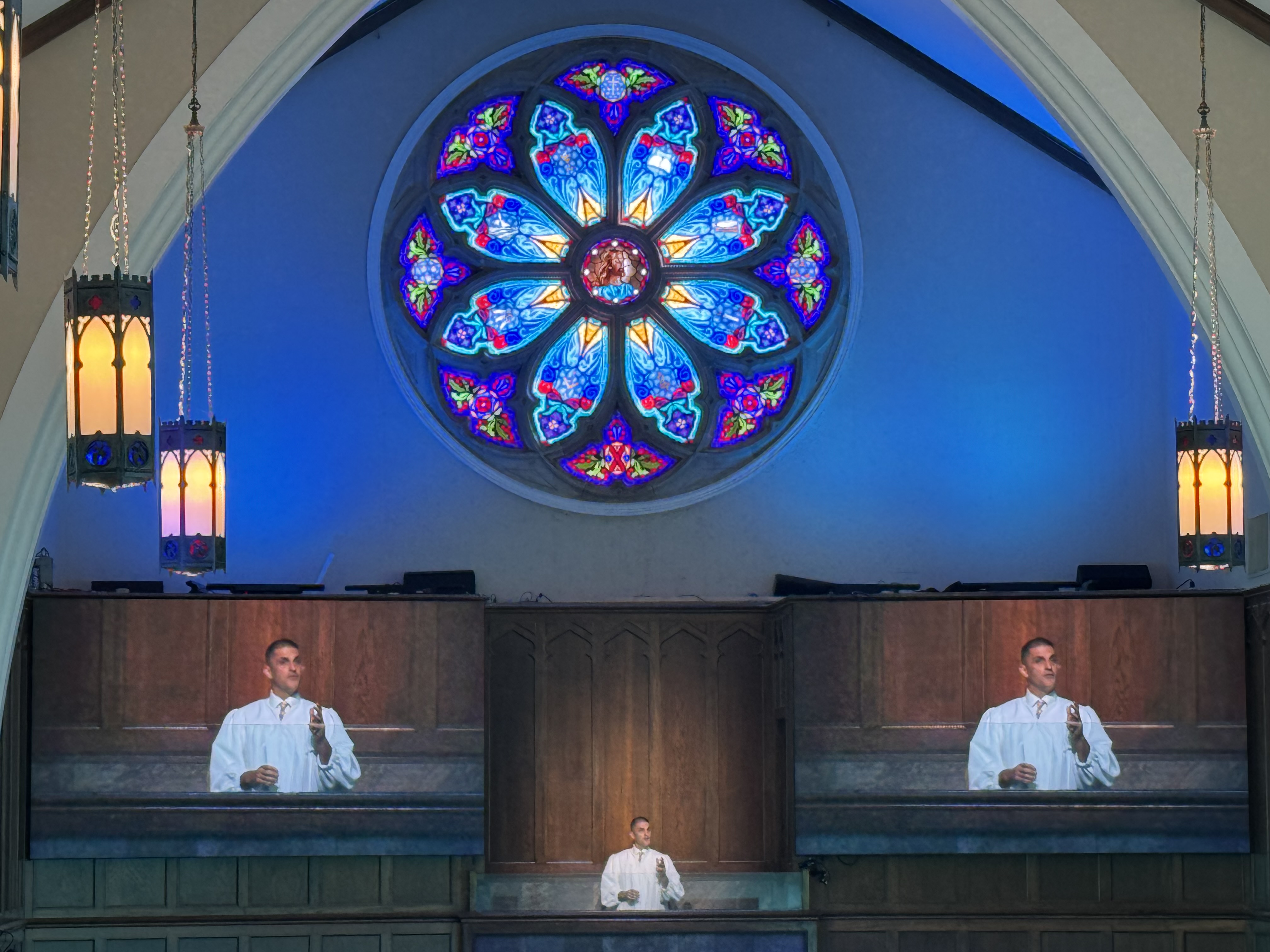
I was baptized on this day 24 years ago. I’ve now served as pastor for 19 of those 24 years. I get the immense blessing of baptizing others into new life in Jesus. The Lord is gracious.
Here’s a brief reflection on baptism and the Lord’s Supper from a recent Lord’s Supper service.
Two Ordinances
Baptists reject the idea that baptism and the Lord’s Supper are sacraments through which the church dispenses grace. We read the Bible and understand them to be symbols.
Grace is conferred directly from Jesus to the believer as evidenced by the indwelling Holy Spirit. God, the Father sent God, the Son to die for sin and be raised to life. God, the Father and God, the Son sent God, the Holy Spirit to indwell those who place faith in the competed and sufficient work of Jesus.
There is no intermediary of any kind, whether priest or substance. Baptists refer to baptism and the Lord’s supper as ordinances. An “ordinance” is a command of Jesus given to the church which has a specific purpose and meaning.
Baptism: A one-time symbol to demonstrate new life.
In baptism, a believer is united with Jesus in his death and resurrection. A one-time symbol to demonstrate new life.
In fulfillment of the Great Commission, we baptized in the name of the Father, and the Son, and the Holy Spirit. Thus, baptism is a trinitarian act, reminding believers that our salvation has been promised, accomplished, and applied through the work of the one true God – Father, Son, and Holy Spirit.
Baptism is a symbol of our death to self in order to live for Jesus and a symbol of our future bodily resurrection. We will be raised to eternal glory.
We do not baptize a person so that, through baptism, they can be made alive in Jesus. Rather, we baptize those who have given testimony to the power of the completed and sufficient work of the crucified and risen Lord.
Lord’s Supper: A frequent symbol to demonstrate new life together.
In the Lord’s Supper, believers are unified as they proclaim the power of the gospel until Jesus returns. A frequent symbol to demonstrate new life together.
We have new life in Jesus and we follow Jesus together. We support and encourage each other into greater discipleship and love for our Savior.
The Lord’s Supper, instituted by Jesus himself, points back to the Last Supper, which Jesus shared with his disciples just before crucifixion. The bread, Jesus said, symbolizes his body, broken for us. The broken bread points to what Jesus accomplished through his obedience on the cross.
The cup, Jesus said, symbolizes his blood. The theme of blood atonement runs throughout Scripture. The Bible asserts that without the shedding of blood, there is no remissions of sin (Hebrews 9:22). The book of Hebrews tells us that Jesus, our great high priest, once and for all, entered the heavenly Tabernacle and the holy of holies, not by the blood of animal, but by the shedding of his own blood.
The elements of the Lord’s Supper symbolize Jesus’ atoning work. When the local church celebrates the Lord’s Supper, we proclaim the death and resurrection of Jesus as we anticipate his return.
Conclusion
Regular observance of baptism and the Lord’s Supper teaches the church, and the watching world, the basic truths of our gospel. The two ordinances accomplish at least three things:
Fulfill the Lord’s command
Preach the gospel story
Form gospel community

