In 1871, Horatio Spafford, a prosperous lawyer and devout church goer, was living comfortably in Chicago. He loved life with his wife Anna and four young daughters.
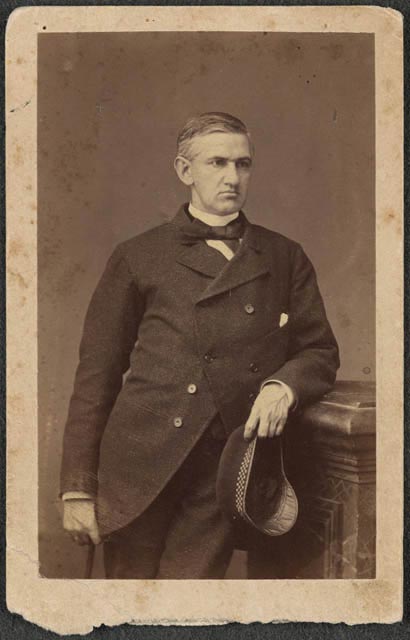

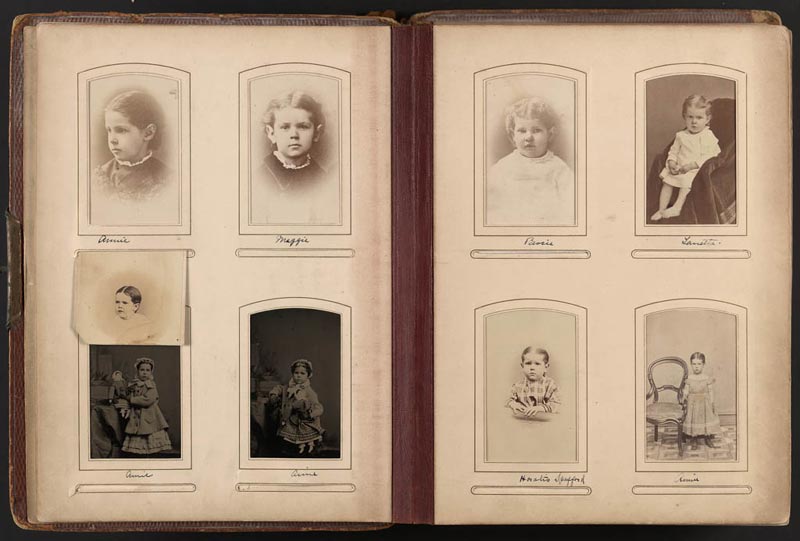
The great fire broke out that year and devastated the city of Chicago. Spafford was kept busy dealing with cases resulting from fire damage. After two years of diligent work, the Spafford family decided to vacation in Europe with friends. At the last moment Horatio was detained by business, and Anna and the girls went ahead, sailing on a French ocean liner.
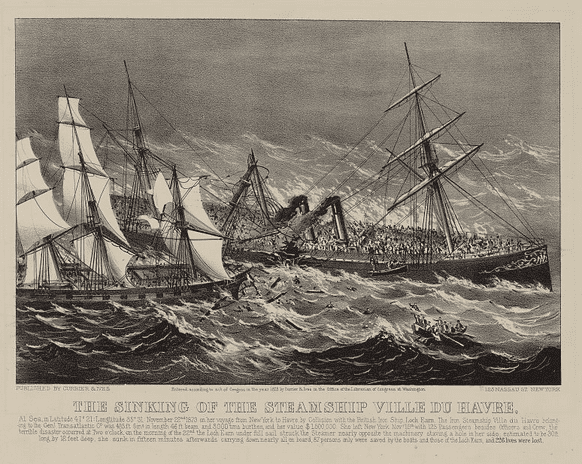
On November 21, 1873, the French ocean liner was rammed by a British vessel and sank within minutes. Anna was picked up unconscious on a floatation device. The Spafford daughters, Annie, Maggie, Bessie, and Tanetta drowned. A fellow survivor of the collision, Pastor Weiss, recalled Anna saying, “God gave me four daughters. Now they have been taken from me. Someday I will understand why.”
Nine days after the shipwreck Anna landed in Cardiff, Wales, and sent a telegram to Horatio, “Saved alone. What shall I do.”
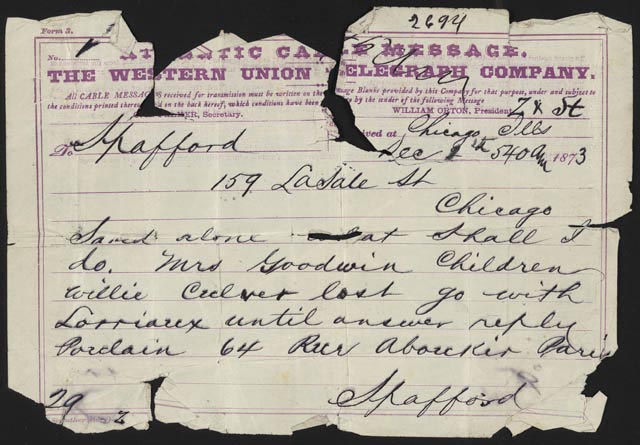
After receiving Anna’s telegram, Horatio immediately left Chicago to bring his wife home. On the Atlantic crossing, the captain of the ship called Horatio to his cabin to tell him that they were passing over the spot where his four daughters had perished.
As he passed over the watery grave of his daughters, Horatio retreated to his cabin and wrote the hymn “It is Well.”
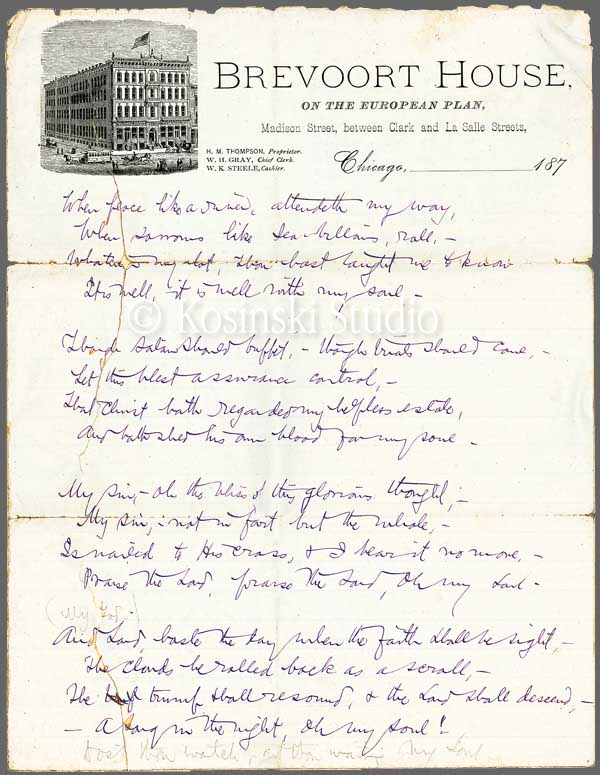
“When peace, like a river, attendeth my way
When sorrows like sea billows roll;
Whatever my lot,
Thou hast taught me to say,
‘It is well, it is well with my soul’”
Horatio later wrote to Rachel, his wife’s half-sister, “On Thursday last we passed over the spot where she went down, in mid-ocean, the waters three miles deep. But I do not think of our dear ones there. They are safe, folded, the dear lambs.”
It is well indeed.
*Quotes taken from a Library of Congress exhibit, “Family Tragedy.”
 Jeff Gravens